Pre-doctoral student
Mycorrhizal Interactions in Forest Soils and Global Change, Instituto de Ciencias Forestales (ICIFOR-INIA, CSIC)
Cristina Aponte
Principal Investigator
Otros miembros
Amara Santiesteban
Dori Romero
Specialized technician
Marifé Molina
Specialized technician
Research areas
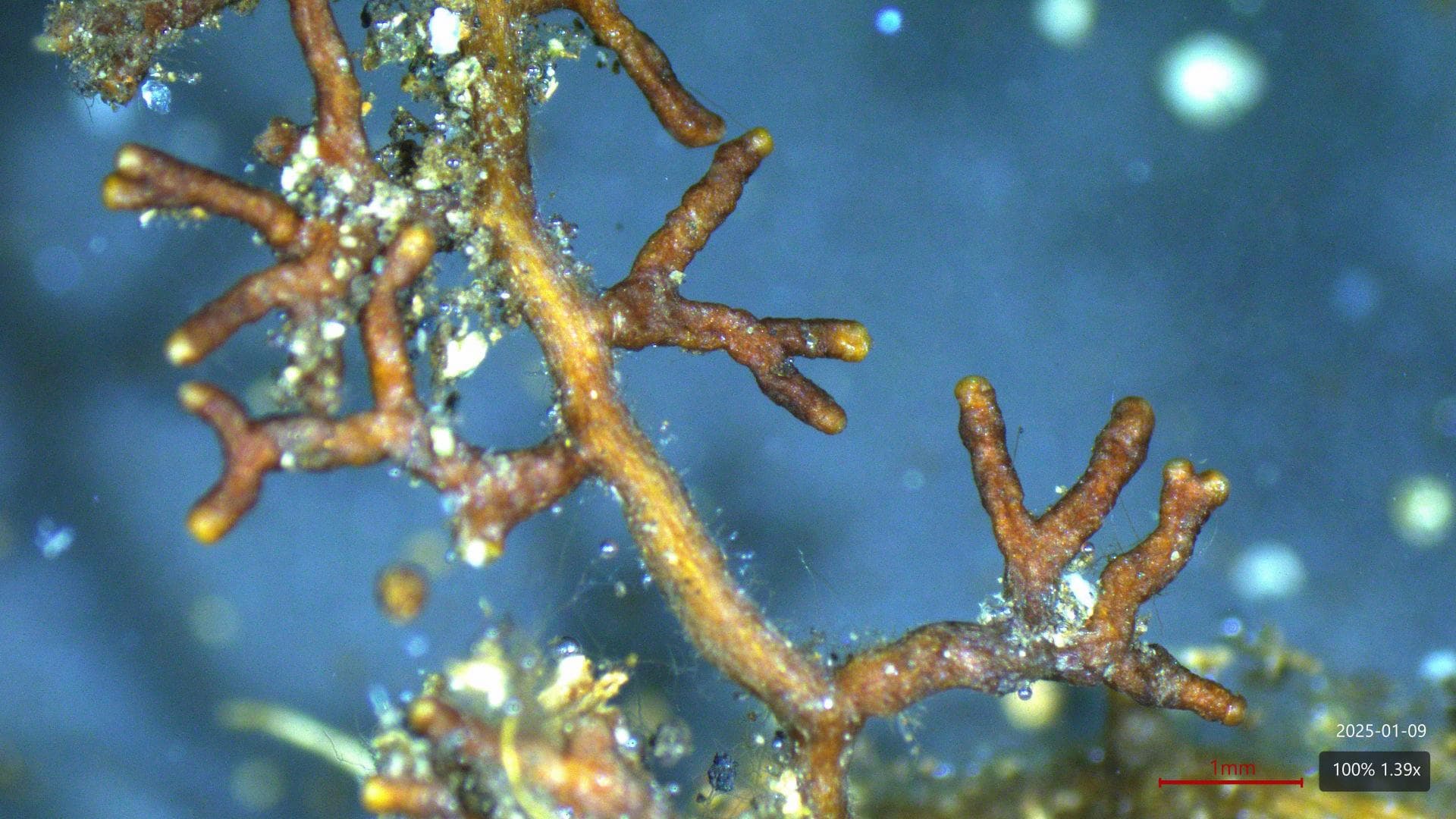
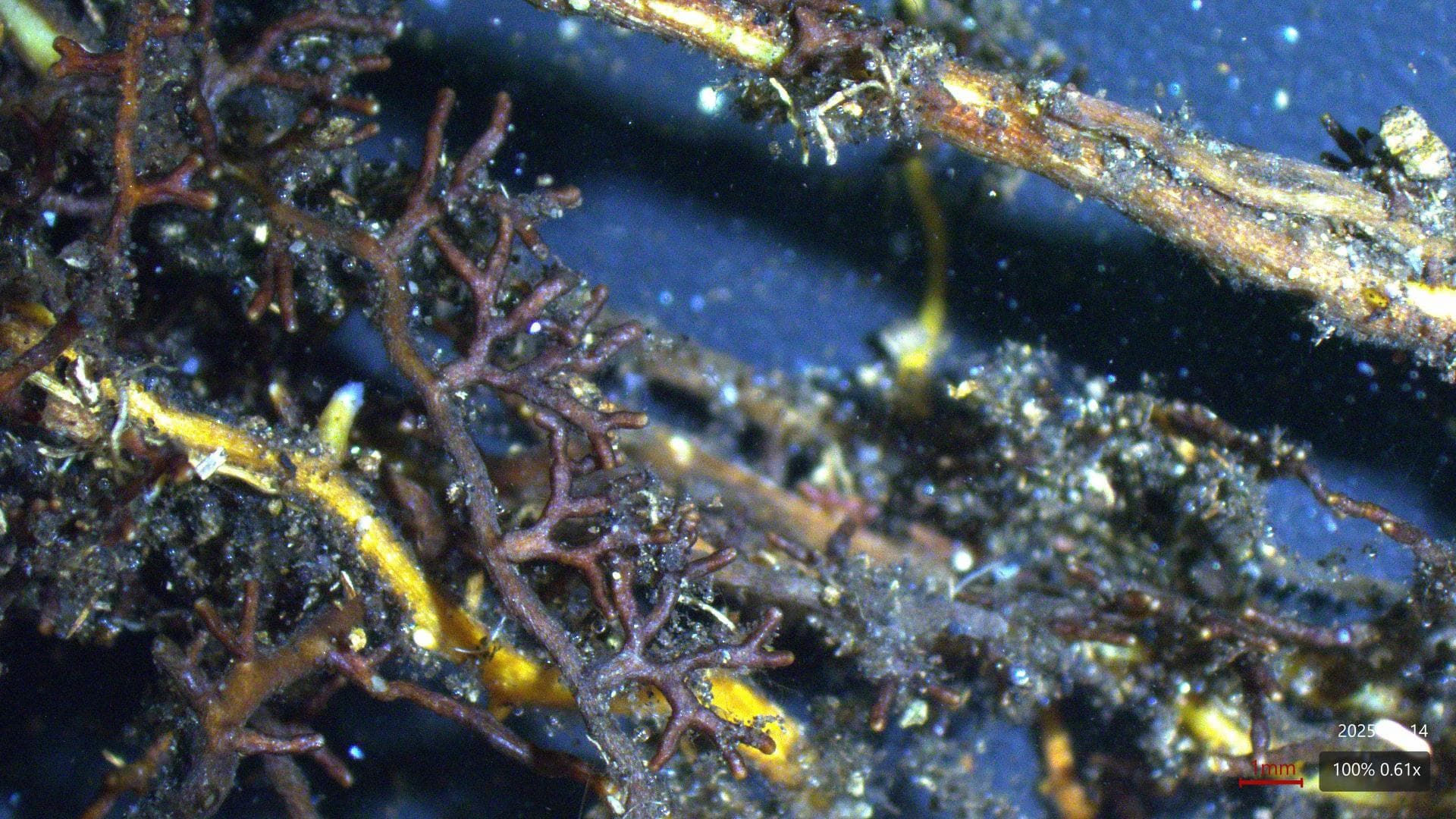
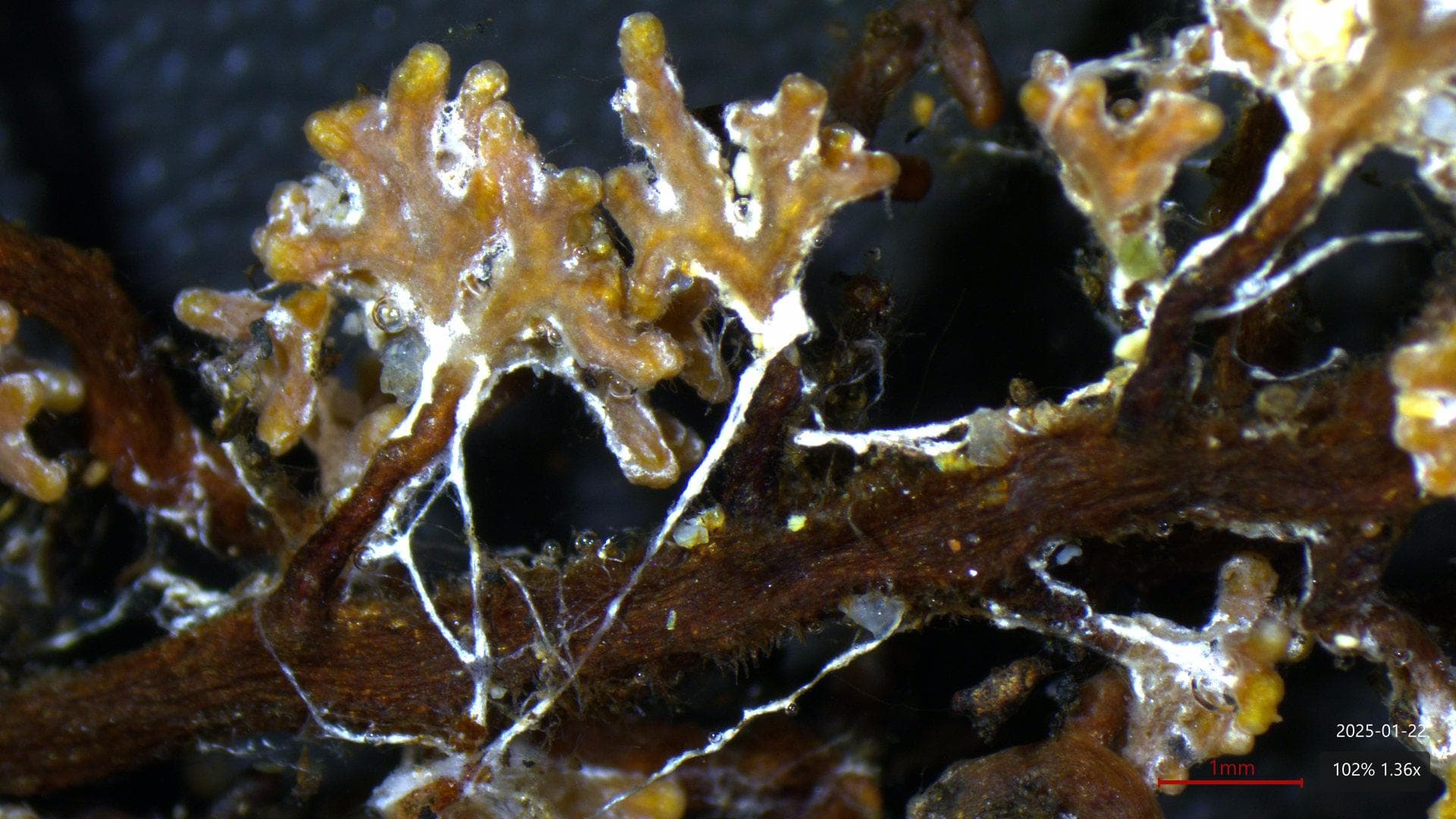
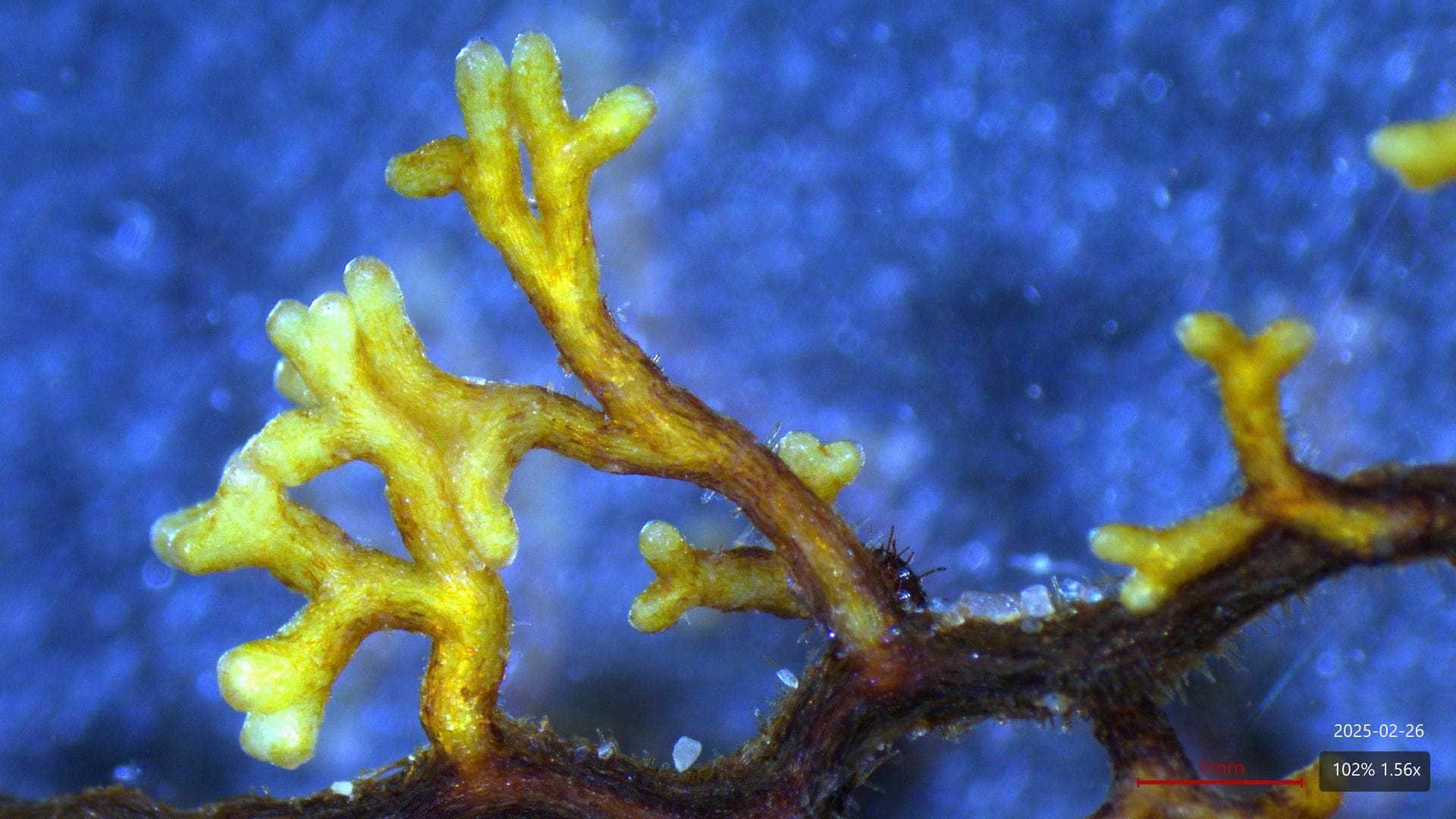
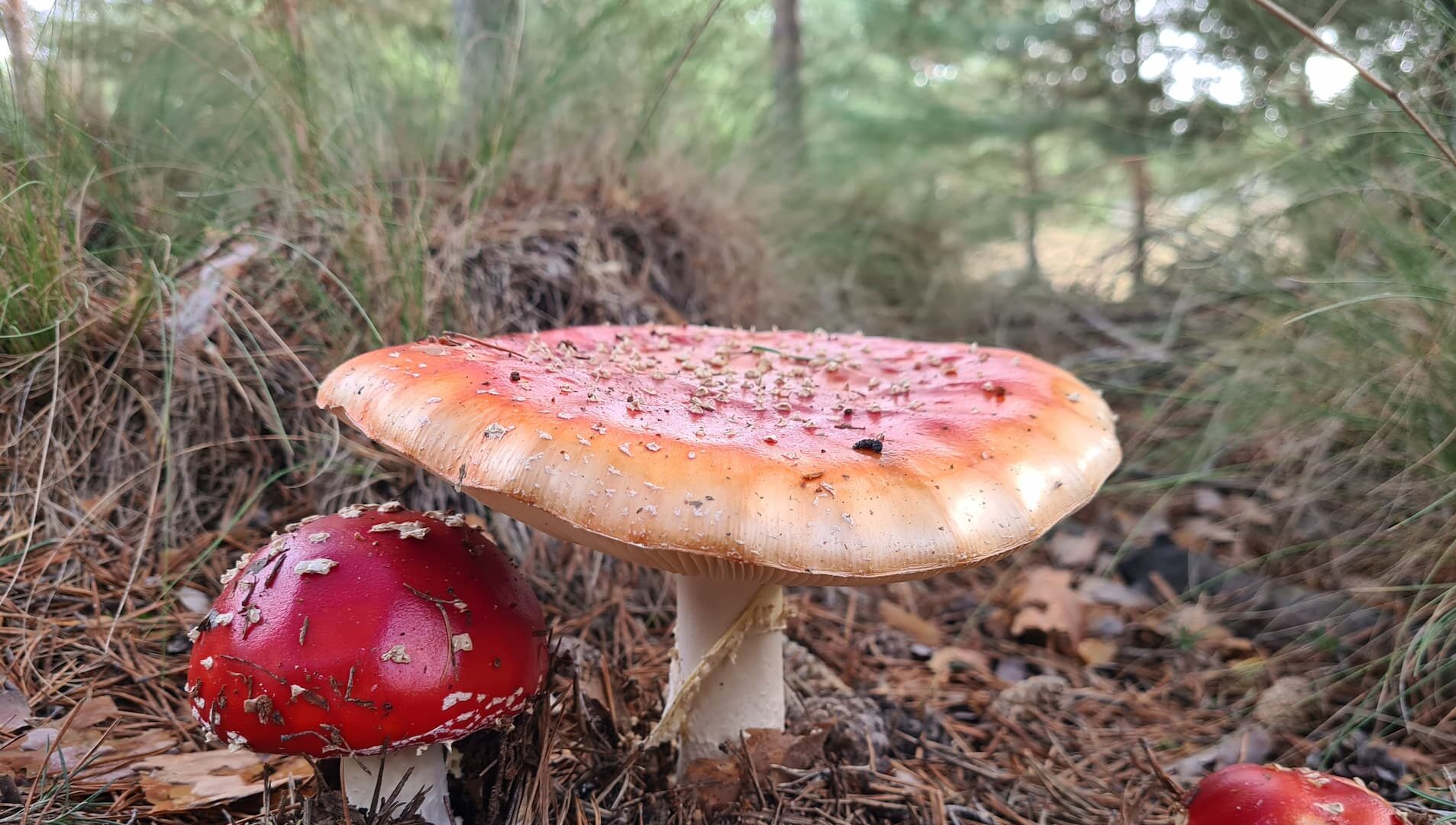
- Ecology of soil fungal communities and mycorrhizae (ectomycorrhizal and arbuscular) in forest ecosystems: diversity, structure, and underground networks and their role in ecosystem functioning.
- Forest fires and edaphic biota: effects of fire severity and recurrence on mycorrhizal communities, post-fire recovery, and consequences for soil multifunctionality.
- Global change (drought, warming, and climate extremes): responses of soil fungi and mycorrhizal symbiosis to climate gradients and future scenarios, with implications for resilience and ecosystem services.
- Process-based forest management and restoration: evaluation of practices (e.g., post-fire management, stand diversification, inoculation/propagules) to promote mycorrhizal recolonization and soil recovery.
- Mycological resources and ecosystem services: environmental determinants of carpophore production and its relationship with climate, soil, and forest structure; applications to conservation and sustainable management.
Representative publications
- Santiesteban-Serrano, A.; Rincón, A.; Aponte, C. (2025) Does wildfire severity reduce soil multifunctionality in the short-term? A matter of depth. Ecological Indicators. 175: https://doi.org/10.1016/j.ecolind.2025.113500
- Espinosa J, Dejene T, Fernández C, Madrigal J, Aponte C, Martín-Pinto P (2023) Does helimulching after severe wildfire affect soil fungal diversity and community composition in a Mediterranean ecosystem?. Science of The Total Environment. 892:788-796 https://doi.org/10.1016/j.scitotenv.2023.164752
- Waymouth V, Miller RE, Kasel S, Ede F, Bissett A, Aponte C (2022) Riparian fungal communities respond to land-use mediated changes in soil properties and vegetation structure. Plant and Soil. 475:813- https://doi.org/10.1007/s11104-022-05383-8
- Waymouth V, Miller RE, Kasel S, Ede F, Bissett A, Aponte C (2022) Riparian fungal communities respond to land-use mediated changes in soil properties and vegetation structure. Plant and Soil. 475:813-828 https://doi.org/10.1007/s11104-022-05383-8
- Waymouth V, Miller RE, Kasel S, Ede F, Bissett A, Aponte C (2021) Soil Bacterial Community Responds to Land-Use Change in Riparian Ecosystems. Forests. 12:2433 https://doi.org/10.3390/f12020157
- Waymouth V, Miller R, Ede F, Bissett A, Aponte C (2020) Variation in soil microbial communities: elucidating relationships with vegetation and soil properties, and testing sampling effectiveness. Plant Ecology. 221:219-228 https://doi.org/10.1007/s11258-020-01029-w
- Contreras AIB, Ede F, Waymouth V, Miller RE, Aponte C (2020) Revegetation technique changes root mycorrhizal colonisation and root fungal communities: the advantage of direct seeding over transplanting tube-stock in riparian ecosystems. Plant Ecology. 221: https://doi.org/10.1007/s11258-020-01031-2
- Contreras AIB, Ede F, Waymouth V, Miller RE, Aponte C (2020) Revegetation technique changes root mycorrhizal colonisation and root fungal communities: the advantage of direct seeding over transplanting tube-stock in riparian ecosystems. Plant Ecology. 221:118859 https://doi.org/10.1007/s11258-020-01031-2
- Aponte C, García LV, Marañón T, Gardes M (2010) Indirect host effect on ectomycorrhizal fungi: Leaf fall and litter quality explain changes in fungal communities on the roots of co-occurring Mediterranean oaks. Soil Biology & Biochemistry. 42:1076-1086 10.1016/j.soilbio.2010.01.014
Projects
- Aponte C (PI) (2025-2029) RETURN. The impact of recurring fires on soil fungal communities and their recolonization mechanisms. Ministry of Science, Innovation, and Universities. PID2024-157015OB-I00
- Aponte C (IP) (2021-2026) FIREFUNGI. The impact of high-severity forest fires on soil mycorrhizal fungal communities and their consequences for regeneration. Ministry of Science, Innovation and Universities. PID2020-116733RA-I00
Featured methods
- Bioinformatic methodologies for analyzing DNA metabarcoding data from fungi in soil and the rhizosphere
- Statistical methodologies for analyzing community diversity
- Greenhouse bioassays
- Enzymatic activities and physicochemical properties of soils
Collaborations with other national and international groups
- Ana Rincón (Instituto de Ciencias Agrarias, CSIC, Madrid, Spain)
- Marta Goberna Estellés (INIA-CSIC, Madrid, Spain)
- Guillermo Bueno (IPE-CSIC, Huesca, Spain)
- Pablo Martín Pinto (Universidad de Valladolid, Spain)
- José Mariano Igual Arroyo (Universidad de Salamanca, Spain)
- Justine Karst (University of Alberta, Canada)
Links to the group's websites and social media pages
@CAPONTE__
@amss_bio

